
About SPK
Creating the Future. Creating Renewable Energy.
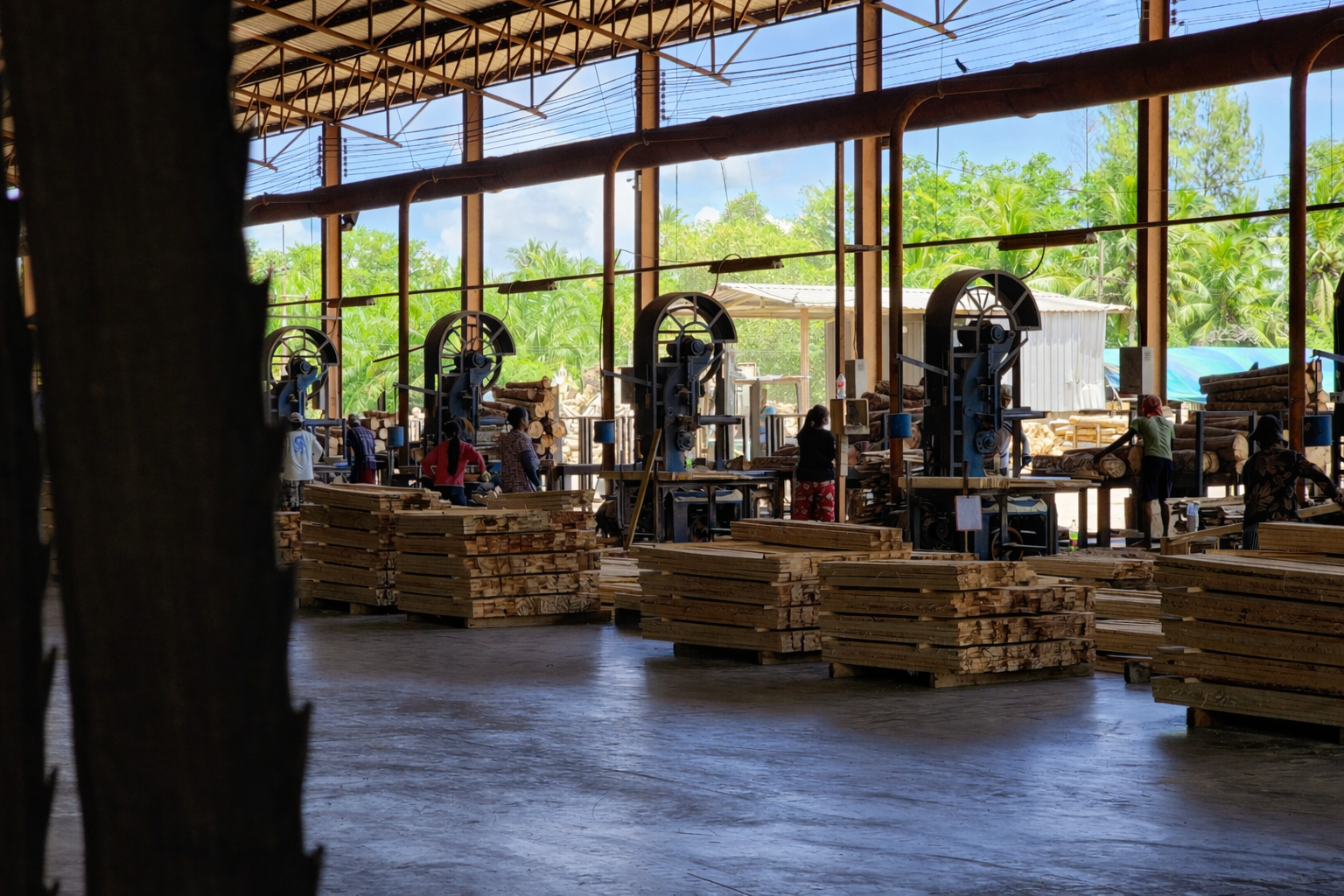
SPK Parawood Co., Ltd. is a leading rubberwood and biomass manufacturer located in Southern Thailand. Founded in 1999 by the Kongkul family, SPK began operations with its first sawmill and has grown steadily into an integrated group operating five sawmills and employing over 1,500 staff.
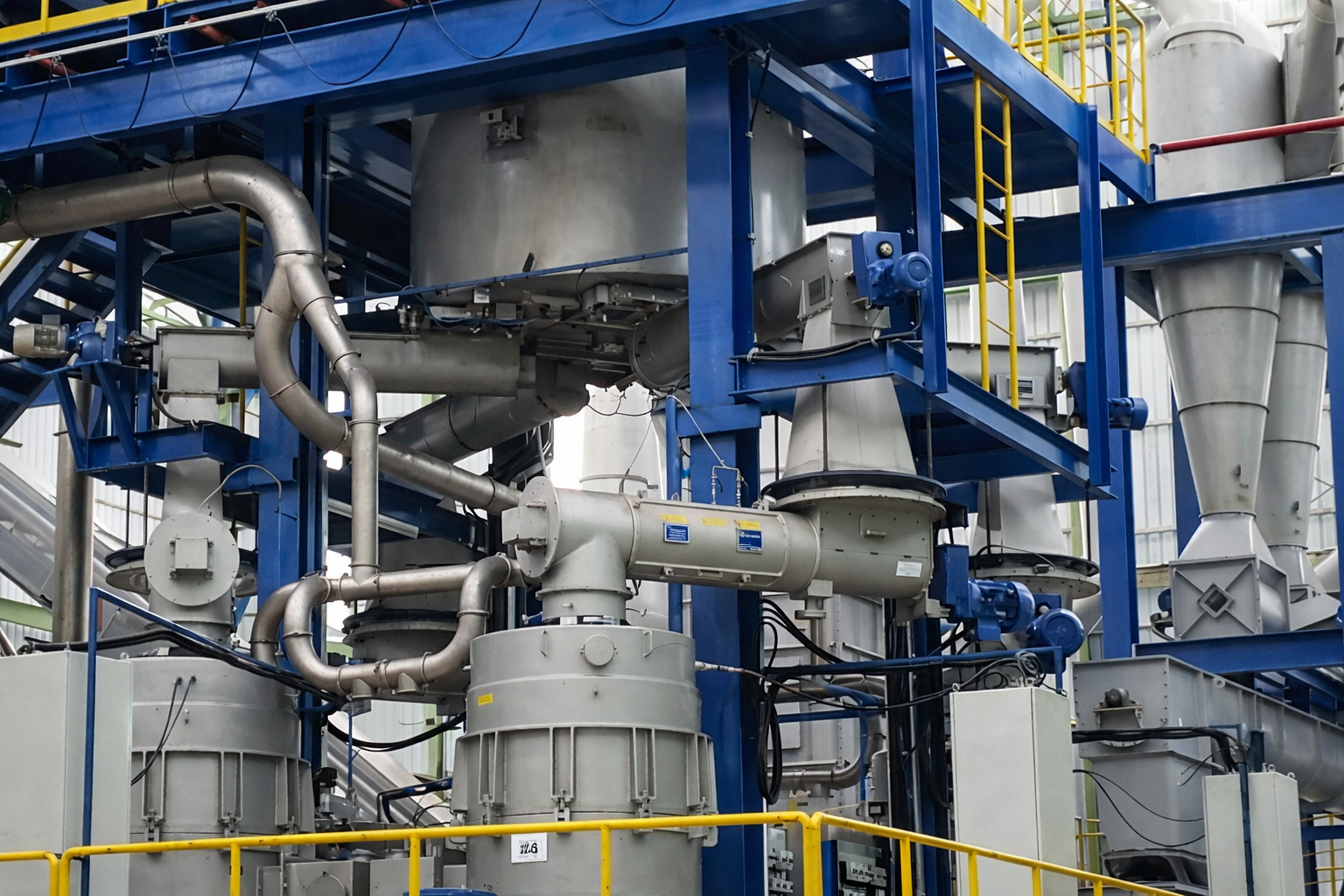
Building on decades of experience in the rubberwood industry, SPK has become one of Thailand’s leading wood pellet producers, supplying renewable energy solutions to domestic and international markets. We are committed to creating positive outcomes for the energy future, the environment, and local communities.
Our strength lies in a trustworthy and fully integrated supply chain. Raw materials are sourced directly from our own sawmills and from long-term partnerships with rubber plantation owners, then processed into high-quality fuel pellets and delivered reliably to our customers. This integrated approach allows SPK to maintain strict control over productivity, quality, reliability, and cost efficiency.
Driven by continuous improvement and responsible growth, SPK remains dedicated to expanding its production capacity and strengthening its supply chain. Our long-term vision is to be one of Thailand’s leading biomass players, supporting a stable, sustainable future for biomass users worldwild.
Our factories
From Rising CO₂ Levels to Practical Climate Solutions
CO₂ & Global Warming
Atmospheric CO₂ levels have risen sharply since the industrial era, strengthening the greenhouse effect and increasing global climate risks. The transition from fossil fuels to renewable energy is essential to reduce emissions and support a lower-carbon future.
How sustainable biomass helps
- Replaces fossil fuels with renewable energy in power generation and industrial heating.
- Promotes circular use of wood residues, reducing waste and improving resource efficiency.
- Supports responsible sourcing through certified supply chains (e.g., FSC®, PEFC).
Source chart: 2 Degrees Institute (Global CO₂ Levels). For reference and educational purposes.
Current CO₂ Level (display)
Rising CO₂ strengthens the greenhouse effect and contributes to global warming. Replacing fossil fuels with renewable energy helps reduce emissions.
- Renewable energy transition
- Responsible sourcing & certified supply chains
- Circular use of wood residues
Why Rubber Trees in Southern Thailand (Hevea brasiliensis)?
20–25 Year Rubber Tree Cycle
Supporting Sustainable Forestry Management
Rubber trees produce latex efficiently for 20–25 years. After this period, latex yield declines, and farmers harvest mature trees to replant new ones. This natural cycle ensures continuous replanting, responsible land use, and sustainable forestry management, while allowing end-of-cycle rubberwood to be fully utilized as a renewable resource.
Big Supply
Thailand has an estimated 20.2 million rai (approximately 3.23 million hectares) of rubber tree plantations, providing a large and stable long-term supply of rubberwood to support sustainable biomass and wood-based industries.
Zero Risk of Mixing Wild Wood
SPK uses only rubber trees sourced from certified plantations for all processing operations. Our sawmills are licensed exclusively for rubberwood, and we do not accept or process timber from natural forests or unsustainable sources—ensuring full traceability, compliance, and zero risk of wild wood mixing.